
Bergen County, New Jersey: A Comprehensive Guide to History, Culture, and Activities
Bergen County, New Jersey, stands as one of the most vibrant and historically significant regions in the northeastern United States. Located directly across the Hudson River from Manhattan, this dynamic county encompasses 70 municipalities and offers residents and visitors an extraordinary blend of historical landmarks, cultural institutions, recreational opportunities, and natural beauty. Whether you’re a history enthusiast, outdoor adventurer, cultural explorer, or family looking for weekend activities, Bergen County presents countless reasons to discover what makes this region truly special.
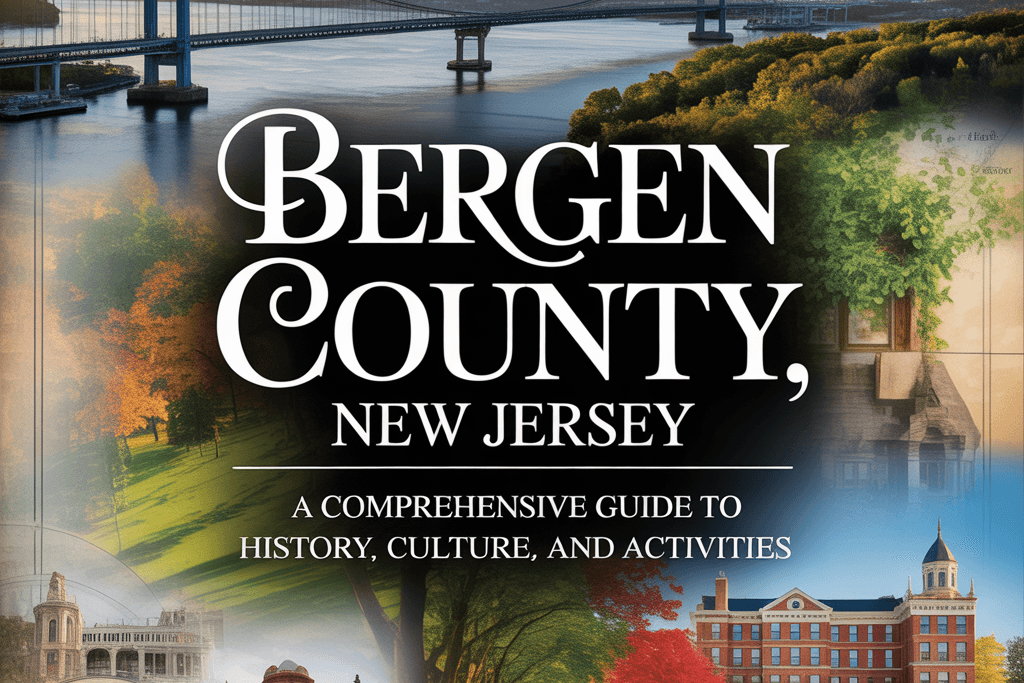
The Rich Historical Tapestry of Bergen County
Bergen County’s history stretches back centuries, making it one of the oldest continuously settled areas in New Jersey. The region was originally inhabited by the Lenape Native Americans, who thrived in the fertile lands along the Hudson River and its tributaries. The Lenape, also known as the Delaware Indians, established seasonal camps, fishing sites, and trails throughout what is now Bergen County, leaving behind archaeological evidence that helps historians understand pre-colonial life in the region.
European settlement began in the early 17th century when Dutch colonists established trading posts and small communities throughout the area. The Dutch West India Company facilitated these early settlements, with Bergen (now part of Jersey City) becoming one of the first permanent European settlements in New Jersey in 1660. The influence of these Dutch settlers extended northward into what would become Bergen County proper.
The county was officially established in 1683, making it one of the oldest counties in the United States. The name “Bergen” derives from Bergen op Zoom, a city in the Netherlands, reflecting the strong Dutch influence that shaped the region’s early development. This Dutch heritage remains visible today in the architecture, place names like Hackensack (from the Lenape “Ackinkeshacky”), and cultural traditions found throughout Bergen County.
The New Jersey Historical Society maintains extensive records and resources about Bergen County’s colonial period, offering researchers and history enthusiasts access to original documents, maps, and artifacts that illuminate this fascinating era.
During the American Revolutionary War, Bergen County played a crucial role in the nation’s fight for independence. The region served as a strategic location for both American and British forces, with numerous battles and skirmishes occurring throughout the county. The area’s proximity to New York City, which the British occupied for most of the war, made Bergen County a constant battleground and neutral ground where espionage, raids, and military maneuvering occurred regularly.
Historic sites such as the Hackensack River crossings and various Revolutionary War encampments can still be explored today, offering visitors tangible connections to this pivotal period in American history. The Bergen County Historical Society preserves many artifacts from this era and offers educational programs that bring Revolutionary War history to life.
The 19th century witnessed Bergen County’s transformation from a rural agricultural region to an increasingly connected suburb. The arrival of railroad lines in the mid-1800s began this transformation, allowing residents to commute to New York City while maintaining homes in the more spacious New Jersey countryside. Towns like Ridgewood, Englewood, and Tenafly developed as railroad suburbs, establishing patterns of commuter culture that continue today.
The 20th century brought even more significant transformation to Bergen County. The construction of bridges connecting the county to Manhattan, particularly the George Washington Bridge completed in 1931, catalyzed rapid development and urbanization. This engineering marvel, operated by the Port Authority of New York and New Jersey, transformed Bergen County from a collection of small towns into a major suburban center. The county evolved from primarily agricultural lands into a thriving suburban and commercial center while maintaining pockets of natural beauty and historical significance.
Exploring Bergen County’s Museums and Cultural Institutions
Bergen County hosts numerous museums and cultural centers that preserve and celebrate the region’s heritage. The Bergen County Museum of Art and Science offers rotating exhibitions featuring local artists, historical artifacts, and educational programs. Located in the historic Van Riper-Hasbrouck House, the museum provides insights into the county’s artistic and scientific contributions. The building itself, constructed in the 18th century, serves as a tangible connection to Bergen County’s Dutch colonial past.
The Hackensack River Greenway initiative has transformed waterfront areas into accessible cultural and recreational spaces. This ongoing project connects communities along the river and provides educational opportunities about the region’s environmental history and current conservation efforts. The Hackensack Riverkeeper organization leads kayak tours, educational workshops, and advocacy campaigns to protect this vital waterway.
For those interested in military history, the Fort Lee Historic Park preserves the site of a Revolutionary War fortification. The park offers walking trails, interpretive signs, and panoramic views of the Hudson River and the George Washington Bridge, making it an essential destination for history buffs. The fort played a critical role in George Washington’s retreat across New Jersey in 1776, and the site now features reconstructed gun batteries and a visitor center with exhibits detailing the fort’s strategic importance.
The Bergen Museum of Local History in River Edge provides another excellent resource for understanding the county’s past. This small but comprehensive museum features exhibits on Native American life, Dutch settlement, Revolutionary War activities, and the development of Bergen County’s various municipalities. The museum’s collection includes period furnishings, clothing, tools, and documents that bring local history to life.
The Historic New Bridge Landing in River Edge stands as one of Bergen County’s most significant historical sites. This Revolutionary War encampment and river crossing site features several 18th-century buildings, including the Steuben House, which served as General George Washington’s headquarters. The site offers guided tours, living history demonstrations, and special events throughout the year that recreate colonial and Revolutionary War life.
Outdoor Recreation and Natural Spaces
Bergen County offers abundant opportunities for outdoor enthusiasts. The region features numerous parks, trails, and natural areas that provide respite from urban environments while offering recreational activities for all ages and fitness levels.
Van Cortlandt Park and the surrounding greenways provide extensive hiking and biking opportunities. The Hackensack River Greenway Trail spans multiple municipalities and offers scenic walking and cycling paths along the river. This trail system connects various parks and communities, making it an ideal destination for outdoor recreation and nature appreciation. The greenway ultimately plans to create a continuous 24-mile trail from the Oradell Reservoir to Newark Bay.
Tenafly Nature Center serves as an excellent resource for environmental education and outdoor exploration. The center maintains trails through diverse habitats, offers guided nature walks, and provides programs for families and school groups. Visitors can observe local wildlife, learn about native plant species, and understand the ecological importance of the region’s natural areas. The center’s programs address topics ranging from bird watching and tree identification to climate change and watershed protection.
Palisades Interstate Park extends into Bergen County and offers dramatic cliffside trails with spectacular Hudson River views. The park features numerous hiking trails of varying difficulty levels, picnic areas, and scenic overlooks. The Palisades’ geological formations tell the story of the region’s ancient geological history, making it an educational destination as well as a recreational one. These towering basalt cliffs formed approximately 200 million years ago during the Triassic and Jurassic periods, and their preservation represents one of America’s early conservation victories.
The Bergen County Parks Department manages numerous county parks that offer diverse recreational opportunities. Van Saun County Park in Paramus features a zoo, playground areas, pony rides, and the Bergen County Zoological Park, which houses over 50 species of animals in naturalistic habitats. The zoo focuses on North American wildlife and provides educational programs about animal conservation and biology.
Saddle River County Park offers a beautiful 2-mile trail system perfect for walking, jogging, and cycling. The park follows the Saddle River through several municipalities and provides access to fishing spots, picnic areas, and natural observation points. In winter, portions of the park become cross-country skiing and snowshoeing destinations.
The Ramapo Valley County Reservation in Mahwah offers more rugged terrain for experienced hikers. This 4,000-acre park features challenging trails that lead to scenic overlooks, historic ruins, and diverse ecosystems. The reservation connects to the larger Ramapo Mountain State Forest, providing opportunities for extended hiking adventures.
Arts, Entertainment, and Community Events
Bergen County’s cultural scene extends far beyond museums. The region hosts numerous theaters, performance venues, and community events throughout the year. The Hackensack Performing Arts Center presents Broadway shows, concerts, comedy performances, and theatrical productions that attract audiences from throughout the region. This beautifully restored venue brings professional entertainment to Bergen County, eliminating the need to travel to Manhattan for quality cultural experiences.
The Bergen Performing Arts Center in Englewood offers another exceptional venue for live performances. This state-of-the-art facility hosts concerts ranging from classical music to contemporary pop, as well as dance performances, comedy shows, and theatrical productions. The center also provides arts education programs for children and adults, fostering local talent and appreciation for the performing arts.
Community festivals and events celebrate Bergen County’s diverse population and cultural heritage. These events feature live music, traditional crafts, cultural demonstrations, and family-friendly activities. Many towns throughout the county organize seasonal celebrations that bring communities together and showcase local talent and traditions.
The Ridgewood Guild sponsors numerous community events throughout the year, including street fairs, holiday celebrations, and cultural festivals. These events transform downtown Ridgewood into a vibrant gathering space where residents and visitors can enjoy local vendors, entertainment, and community spirit.
Bergen County’s library system offers extensive cultural programming beyond book lending. The Bergen County Cooperative Library System coordinates programs across member libraries, offering author talks, film screenings, technology workshops, and children’s activities. Many library branches feature art galleries showcasing local artists, making them cultural centers as well as information resources.
Shopping, Commerce, and Urban Development
Bergen County has evolved into a major commercial and retail destination. The region features numerous shopping centers, malls, and commercial districts that serve residents and visitors. The Westfield Garden State Plaza in Paramus stands as one of the largest shopping malls in the United States, featuring hundreds of stores, restaurants, and entertainment options. The mall attracts visitors from throughout the tri-state area and contributes significantly to Bergen County’s economy.
The Bergen Town Center and various downtown areas have undergone revitalization efforts, creating vibrant mixed-use spaces that combine retail, office, and residential components. Towns like Ridgewood, Englewood, Hackensack, and Fort Lee have invested in downtown improvements that create walkable, attractive commercial districts that serve as community gathering places.
These commercial areas reflect the county’s economic importance and its role as a regional hub for business and commerce. The development of these spaces has been carefully planned to maintain community character while accommodating modern commercial needs.
Bergen County is also known for its unique “Blue Laws” that prohibit most large-scale retail businesses from operating on Sundays. This distinctive regulation, one of the last remaining blue law systems in the United States, creates a different rhythm to weekend life and has been the subject of ongoing debate within the county.
Educational Institutions and Intellectual Resources
Bergen County is home to several colleges and universities that contribute significantly to the region’s intellectual and cultural life. Fairleigh Dickinson University and Bergen Community College provide educational opportunities and host cultural events, lectures, and exhibitions that are open to the public.
These institutions serve not only as educational centers but also as cultural anchors that enhance the region’s intellectual vitality and provide resources for lifelong learning. Bergen Community College’s Philip Ciarco Jr. Learning Resource Center features art galleries, theater performances, and public lectures on topics ranging from science and technology to arts and humanities.
Fairleigh Dickinson University’s Teaneck campus includes the Friendship Library, which houses special collections related to New Jersey history and Harry A. Sprague’s outdoor sculpture collection, which can be enjoyed by visitors walking the campus grounds.
Bergen County’s public school systems consistently rank among the best in the nation, and many districts offer community education programs that extend learning opportunities to adults. These programs include language classes, arts instruction, technology workshops, and enrichment courses that serve the broader community beyond traditional K-12 education.
Transportation and Accessibility
The Port Authority of New York and New Jersey operates extensive bus and rail systems throughout Bergen County, providing convenient access to Manhattan and other regional destinations. The NJ Transit system offers comprehensive public transportation options that make exploring the county accessible without a personal vehicle.
Multiple NJ Transit rail lines serve Bergen County, including the Main Line, Bergen County Line, and Pascack Valley Line. These rail connections make commuting to New York City convenient and have shaped the development patterns of many Bergen County communities.
The George Washington Bridge, one of the world’s most iconic structures, connects Bergen County directly to Manhattan and stands as an engineering marvel worth appreciating for its architectural and historical significance. The bridge carries approximately 280,000 vehicles daily, making it the world’s busiest motor vehicle bridge.
The Hudson-Bergen Light Rail provides connections to Hoboken, Jersey City, and beyond, offering additional transportation options for Bergen County residents and visitors. This modern light rail system demonstrates the region’s commitment to sustainable transportation infrastructure.
Distinctive Communities and Neighborhoods
Bergen County encompasses 70 municipalities, each with distinct characteristics and charm. From historic downtown areas with tree-lined streets to modern suburban developments, the county offers varied living environments.
Ridgewood stands out as a quintessential Bergen County community, featuring a charming downtown district with independently owned shops, restaurants, and cultural venues. The village’s commitment to preserving its historic character while accommodating modern needs creates an appealing blend of old and new.
Englewood offers a diverse, culturally rich environment with a revitalized downtown area. The city’s history includes notable residents and a strong tradition of arts and culture. The Englewood Public Library serves as a community hub, offering extensive programming and beautiful architecture.
Fort Lee provides dramatic views of the Manhattan skyline and direct access to the George Washington Bridge. The community has grown significantly in recent decades, developing a substantial high-rise residential district that offers urban amenities with suburban access.
Paramus serves as a major commercial hub, home to multiple shopping centers and corporate headquarters. Despite its commercial character, the town maintains residential neighborhoods and parks that provide balance and community character.
Hackensack, the county seat, combines government functions with a diverse residential and commercial base. The city’s downtown has undergone significant revitalization, creating new opportunities for dining, shopping, and entertainment while preserving historic structures.
Historical Preservation and Architectural Heritage
Bergen County takes seriously the preservation of its architectural and historical heritage. Numerous historic districts and individual landmark buildings throughout the county receive protection and recognition for their historical significance.
The Historic Preservation Trust of Bergen County works to identify, protect, and promote the county’s historic resources. The organization offers workshops on historic preservation, advocates for protective ordinances, and recognizes property owners who maintain historic buildings.
Dutch Colonial architecture remains visible throughout Bergen County, particularly in older communities. These structures, characterized by gambrel roofs, stone construction, and distinctive proportions, provide tangible connections to the region’s earliest European settlement period.
Victorian-era homes, built during Bergen County’s railroad suburb development phase, create distinctive streetscapes in communities like Ridgewood and Rutherford. These elaborate homes showcase the craftsmanship and aesthetic sensibilities of late 19th-century America.
Environmental Conservation and Sustainability
Bergen County has increasingly focused on environmental conservation and sustainability initiatives. The Ramapo Bergen Animal Refuge provides care for homeless animals while educating the public about responsible pet ownership and animal welfare.
The county’s various environmental commissions work to protect natural resources, promote sustainable practices, and educate residents about environmental stewardship. Many municipalities have implemented recycling programs, green space preservation initiatives, and energy efficiency programs that reduce environmental impact.
The New Jersey Audubon Society maintains several locations in and near Bergen County, offering bird watching opportunities, nature education programs, and conservation advocacy. The organization works to protect the diverse bird species that migrate through or reside in the region.
Seasonal Activities and Year-Round Appeal
Bergen County offers activities and attractions throughout all seasons. Spring brings blooming flowers and outdoor festivals. Gardens and parks throughout the county burst into color, and many communities organize spring festivals celebrating renewal and community.
Summer offers concerts in parks, outdoor recreation, and waterfront activities. Many municipalities sponsor summer concert series in local parks, providing free entertainment for families. The Bergen County Parks Department organizes summer camps, nature programs, and special events that take advantage of warm weather.
Fall features scenic beauty as foliage changes color, and winter brings holiday celebrations and indoor cultural events. The changing seasons in Bergen County create spectacular natural displays, particularly in areas like the Palisades and Ramapo Valley Reservation where mature forests provide brilliant autumn colors.
This seasonal variety ensures that visitors and residents can find engaging activities regardless of when they visit or the time of year. Winter sports enthusiasts can enjoy cross-country skiing and snowshoeing in county parks, while indoor venues provide cultural programming throughout the colder months.
Planning Your Bergen County Visit
Whether you’re interested in Revolutionary War history, outdoor recreation, cultural experiences, or simply exploring a dynamic region near New York City, Bergen County offers something for everyone. The county’s excellent public transportation, diverse attractions, and welcoming communities make it an ideal destination for day trips or extended visits.
Start your exploration with historical sites like Fort Lee Historic Park or Historic New Bridge Landing, where knowledgeable guides can provide context and answer questions. Venture into natural areas for outdoor activities, hiking the Palisades or exploring the Hackensack River Greenway. Immerse yourself in the region’s cultural offerings by attending performances at the Bergen PAC or visiting the Museum of Art and Science.
The Bergen County Division of Cultural and Historic Affairs provides information about upcoming events, exhibitions, and programs throughout the county. Their website and publications help visitors plan culturally rich experiences.
Consider timing your visit to coincide with special events or festivals. Many communities host farmers markets during warmer months, offering opportunities to meet local farmers, purchase fresh produce, and experience community life. The Bergen County Farmers Markets operate in multiple locations throughout the county during growing season.
Conclusion
Bergen County, New Jersey, represents far more than a suburban area adjacent to New York City. It is a region rich in American history, cultural diversity, natural beauty, and community spirit. From Revolutionary War battlefields to contemporary cultural institutions, from scenic river trails to vibrant commercial districts, Bergen County offers countless opportunities for learning, recreation, and enjoyment.
The county’s 70 municipalities each contribute unique character to the broader Bergen County identity. Whether exploring the dramatic Palisades cliffs, learning about colonial history at preserved historic sites, enjoying world-class performances at modern cultural venues, or simply walking through charming downtown districts, visitors discover a region that balances preservation and progress, history and innovation, natural beauty and urban sophistication.
Bergen County’s proximity to New York City enhances rather than diminishes its appeal. The region offers convenient access to Manhattan’s attractions while providing distinctive experiences, natural spaces, and community character that cannot be found in the city. For day-trippers from New York or visitors exploring the greater metropolitan region, Bergen County presents an essential destination that enriches understanding of the area’s history, culture, and contemporary life.
Whether you’re a longtime resident rediscovering your home county, a new arrival learning about your community, or a first-time visitor exploring this dynamic region, Bergen County invites you to discover its many treasures and understand why it remains one of the most significant and appealing regions in the northeastern United States. The blend of historical depth, cultural richness, natural beauty, and contemporary vitality creates a destination that rewards exploration and promises memorable experiences for all who visit.