
Little Free Library: A Small Box With a Big Mission — Exploring the Tiny Library Movement from Allendale, New Jersey
If someone asked you to imagine a library, chances are you would picture a tall building, shelves lined with books, quiet reading corners, and perhaps even a librarian gently reminding visitors to keep their voices down. But what if a library didn’t need a building, rules, or even a membership card? What if a library could be as small as a birdhouse and still change lives?
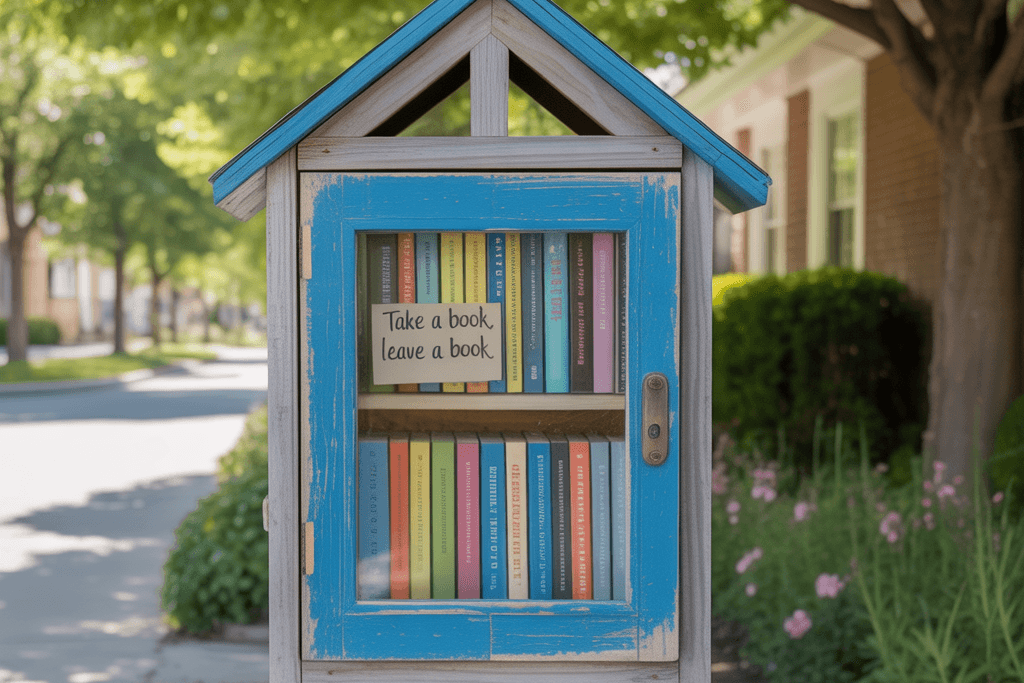
Welcome to the world of Little Free Library, a global movement built on the simple idea of “Take a Book, Leave a Book.” These tiny libraries—often colorful, creative, and community-built—sit quietly in neighborhoods, parks, schoolyards, and even in front of people’s homes, inviting passersby to discover a book, exchange ideas, and connect with their community.
One such Little Free Library sits at:
110 Mallinson St, Allendale, NJ 07401, United States
Plus Code: 2VH8+CH Allendale, New Jersey, USA
Though small and easily overlooked, this wooden box filled with books holds far more meaning than its size suggests. It is part of a global movement focused on literacy, kindness, and strengthening community connections.
In this blog, we will explore the story behind Little Free Libraries, why they matter, how they have influenced communities worldwide, and how the Allendale Little Free Library fits into the larger picture.
What Is a Little Free Library?
A Little Free Library is a public book-sharing box. Anyone can open its door, take a book to read, and leave another in its place. There is no registration, no late fees, no restrictions, and no deadlines.
The idea is wonderfully simple:
- Free access to books for everyone
- Encouragement of reading
- Building community relationships
- Promoting the act of sharing rather than owning
These libraries are set up and maintained by volunteers, known as stewards. Stewards keep the library tidy, restock books when needed, and encourage participation from neighbors.
Little Free Libraries come in a variety of shapes and designs. Some look like miniature houses; others are decorated boxes, repurposed cabinets, or intricately themed structures. Each Little Free Library is unique because it reflects the creativity, values, and character of the community it serves.
How the Little Free Library Movement Began
The movement began with Todd Bol from Wisconsin in 2009. Bol built a small wooden box that resembled a schoolhouse as a tribute to his mother, a teacher and book lover. He filled it with books and placed it in his yard with a sign that simply said, “Free Books.”
Neighbors stopped to browse the selection. People talked. Books were exchanged. The idea took hold.
What started as a small neighborhood gesture soon grew into a global nonprofit organization called Little Free Library. Its mission: to inspire a love of reading, build community, and increase access to books for all.
By 2012, the movement had already spread across the United States.
By 2020, more than 100,000 Little Free Libraries existed worldwide in more than 100 countries.
Today, the number continues to grow as more stewards join the movement.
Bol’s thoughtful tribute has become a worldwide symbol of literacy, generosity, and community-building.
Why Little Free Libraries Matter
Even in an age dominated by digital media and online information, the presence of a small wooden box filled with books carries tremendous social value. Here are a few reasons why Little Free Libraries matter.
1. Promoting Literacy
Not everyone has easy access to books. Children in underserved communities often face limited exposure to reading materials. Little Free Libraries help bridge this gap by placing books directly in neighborhoods where they are needed most.
2. Building Community
These libraries encourage interaction. When people stop by the same small box, conversations naturally begin. Neighbors recommend titles, share stories, and build meaningful relationships.
3. Encouraging Sustainable Habits
Rather than purchasing new books, these libraries promote the practice of reusing and sharing, reducing waste and encouraging environmental responsibility.
4. Inspiring Creativity
Many Little Free Libraries are works of art. From whimsical fairy-themed boxes to minimalist modern designs, they reflect personal and community creativity.
5. Empowering Individuals
Anyone can become a steward. Anyone can donate a book. Anyone can start a conversation. These actions empower everyday people to make a positive impact in their communities.
These small structures create ripples of inspiration in the lives of countless individuals.
A Closer Look at the Allendale, NJ Little Free Library
The Little Free Library located at 110 Mallinson St, Allendale, NJ serves as a quiet, friendly presence in a peaceful residential neighborhood. Allendale is known for its calm streets, tree-lined roads, and strong sense of community. The addition of a Little Free Library fits naturally into the environment.
Residents walking by may stop to browse the shelves. Parents on evening strolls with their children often pause to let them pick a book. Occasionally, visitors leave handwritten notes or small tokens of appreciation inside the library, adding a personal and heartfelt touch.
The book selection changes regularly as the community actively participates in donating and exchanging books. You might find children’s stories one week, novels and biographies the next, and sometimes even cookbooks or poetry.
In a fast-paced world, this little box offers a moment of reflection, curiosity, and connection.
The Global Reach of the Little Free Library Movement
While the Allendale Little Free Library serves its local community, it is part of a vast international network. Libraries can be found in cities and remote villages, in parks and on beaches, outside schools and in front of apartment complexes.
The movement has taken root in North America, South America, Europe, Asia, Africa, and Australia. Each region has adapted the Little Free Library concept to local needs and cultural contexts.
In India, some libraries donate school supplies along with books.
In Africa, they promote multilingual reading initiatives.
In Europe, they often highlight local writers and translated works.
The widespread success of the movement shows that reading, sharing, and community-building are universally valued around the world.
Creative Designs That Make an Impact
One of the most distinctive features of Little Free Libraries is their appearance. Because many are hand-built and customized, they often reflect the personality or artistic vision of their creator.
Common design styles include:
Miniature Houses
Often painted in bright colors, these libraries resemble tiny cottages or homes.
Birdhouse-Style Designs
Simple wooden structures that look natural in gardens or green spaces.
Fantasy or Storybook Themes
Libraries designed to look like fairy houses, castles, or whimsical structures often attract children and inspire imagination.
Recycled Material Transformations
Old newspaper bins, cupboards, or crates repurposed into functional libraries demonstrate sustainability and creativity.
Modern Designs
Sleek, minimalist boxes with glass doors that blend into contemporary neighborhoods.
No two Little Free Libraries are exactly alike, and each one tells a story through its design.
Becoming a Little Free Library Steward
The success of the movement relies on volunteers. Stewards are responsible for maintaining the library, promoting reading, and encouraging participation.
Responsibilities of a Steward
- Ensuring the library remains clean and accessible
- Restocking books as needed
- Encouraging neighbors to donate and borrow
- Registering the library with LittleFreeLibrary.org for official recognition
- Fostering a positive, inclusive atmosphere
Many stewards describe their experience as incredibly fulfilling and heartwarming.
How to Start a Little Free Library
- Create or purchase a library box that is weather-resistant and easy to access.
- Place it in a visible, accessible location, such as near a sidewalk.
- Register it on the official website so it appears on the world map.
- Fill it with books for all ages.
- Invite neighbors to participate in the sharing process.
Before long, your little library becomes a recognized part of the neighborhood landscape.
Why Children Love Little Free Libraries
Children are naturally drawn to tiny structures and hidden surprises. A Little Free Library encourages them to explore reading independently. It also fosters a sense of ownership and responsibility when they contribute or exchange books.
For families, Little Free Libraries offer a convenient and engaging source of reading materials. There are no loan periods, no penalties, and no commitments. Children can explore books freely and discover stories that spark their imagination.
The Social Impact of Little Free Libraries
Beyond literacy, Little Free Libraries bring about broader social change.
Reducing Barriers to Books
These libraries eliminate financial and geographic obstacles that might prevent people from accessing reading materials.
Strengthening Neighborhood Connections
People who may never have spoken to each other find common ground in book discussions and recommendations.
Supporting Mental Health
Reading is known to reduce stress, increase empathy, and promote mental well-being.
Encouraging Artistic Expression
Communities often contribute to decorating or maintaining the library, transforming it into a local landmark.
Promoting Generosity
The simple act of leaving a book fosters a spirit of giving without expectation.
These libraries are catalysts for positive social behavior.
Using a Little Free Library the Right Way
To keep Little Free Libraries thriving, basic courtesy goes a long way.
- Take a book only if you truly intend to read it.
- Leave books when possible to keep the library stocked.
- Avoid leaving damaged or inappropriate materials.
- Close the door carefully after browsing.
- Consider organizing the books if they appear messy.
- Spread the word to friends and neighbors.
With thoughtful participation, the library remains a valuable community resource.
The Future of the Little Free Library Movement
The movement continues to expand and evolve. Some libraries now include additional items, such as:
- Art supplies
- Seeds for gardening
- Puzzles and board games
- Educational kits for children
LittleFreeLibrary.org actively supports various initiatives, including programs that provide libraries to underserved communities and campaigns promoting diversity in reading materials.
The concept continues to adapt, finding new ways to support literacy, creativity, and community-building.
Conclusion: A Small Box With a Big Heart
The Little Free Library at 110 Mallinson St, Allendale, New Jersey, is far more than a wooden box filled with books. It represents a global effort to make reading accessible to all, to bring communities together, and to inspire acts of kindness.
These libraries remind us that meaningful change often starts with simple actions. A small box, a handful of books, and a willingness to share can transform a neighborhood.
As you walk through Allendale or any town where these tiny libraries appear, take a moment to stop and explore. You may find a book that sparks your imagination, a note that warms your heart, or a connection with someone who shares your love of reading.