
Allendale, NJ: A Local Guide to History, Community & Things To Do
Allendale, NJ is more than a quiet borough in Bergen County. It is a town shaped by continuity, routine, and a strong sense of community identity. Life here moves at a measured pace, where familiar streets, long-standing institutions, and shared public spaces create a feeling of stability that residents value deeply.
The town’s character has been shaped by generations of families who have built their lives around neighborhood schools, outdoor spaces, and local gathering places. Downtown Allendale, with its small businesses and walkable streets, functions as a natural center of daily life. Rather than chasing constant change, Allendale has evolved carefully, preserving its residential feel while adapting to modern needs.
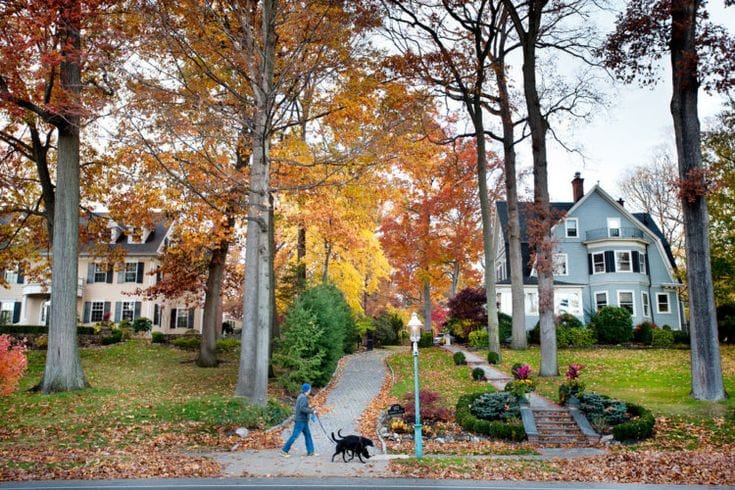
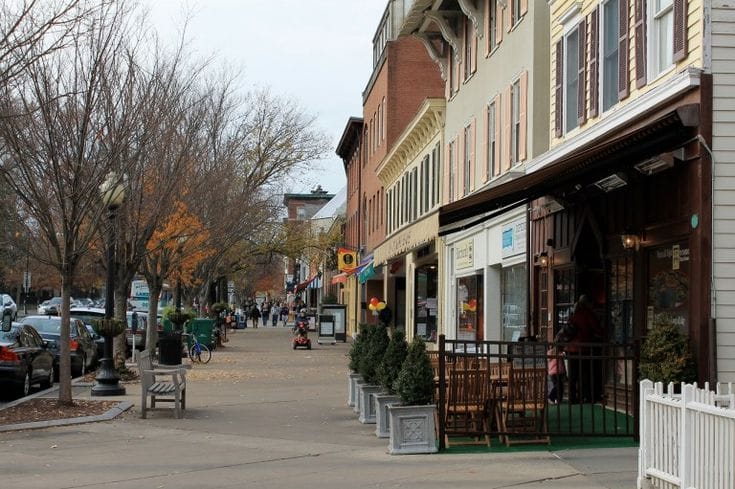
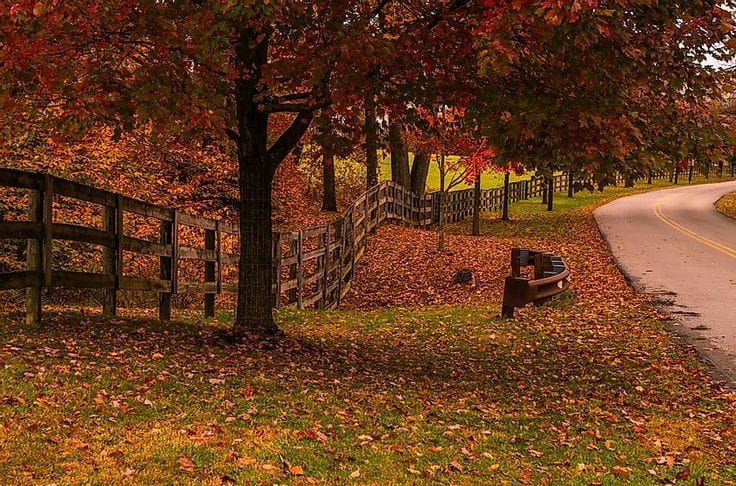
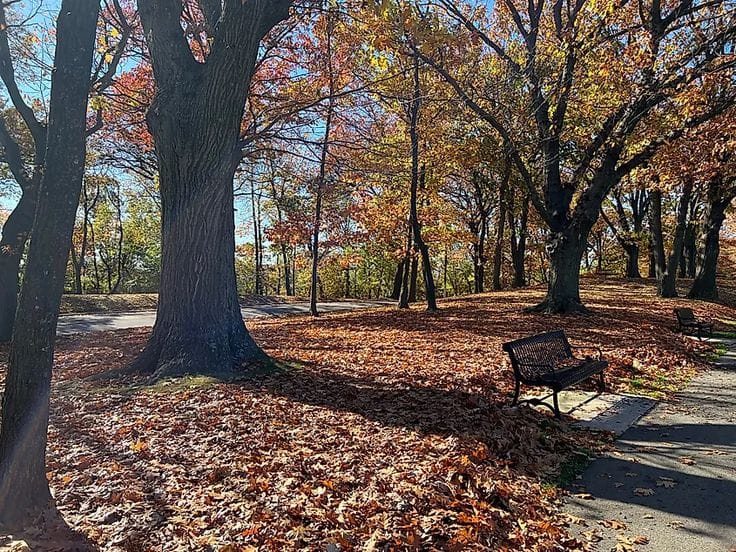
Community spaces, seasonal traditions, and everyday rituals play a central role in shaping the town’s identity. Local establishments and public areas often become extensions of home—places where relationships form gradually and familiarity is part of the experience. Today, Allendale feels grounded and enduring, offering a sense of permanence that defines its appeal.
History of Allendale, NJ
Unlike areas that experienced heavy industrialization, Allendale retained its suburban character. Today, its history remains visible through preserved neighborhoods, long-established streets, and community organizations like the Allendale Historical Society, which help maintain a connection to the town’s past.
Allendale NJ Transit Train Station
The Allendale NJ Transit train station played a central role in the town’s transformation from a rural settlement into a connected suburban community. With the arrival of the railroad in the late 19th century, Allendale became accessible to nearby towns and New York City, encouraging residential growth while maintaining a small-town atmosphere. The station helped establish Allendale as a commuter-friendly borough without disrupting its local identity.
Allendale Borough Hall
Allendale Borough Hall emerged as an important civic anchor as the town continued to grow through the late 19th and early 20th centuries. It became a symbol of local governance and community organization, reflecting Allendale’s emphasis on self-management and civic responsibility. The presence of Borough Hall reinforced the town’s structured development and long-standing commitment to local institutions.
Allendale Public Library
The Allendale Public Library developed alongside the town’s expanding residential neighborhoods and educational infrastructure. It served as a shared space for learning, access to information, and community engagement. Over time, the library became more than a resource center—it evolved into a quiet cultural anchor that supported education, connection, and lifelong learning within the borough.
Residential Neighborhood Development
As Allendale grew, residential neighborhoods expanded gradually rather than rapidly. Homes, schools, and community spaces were developed in balance, allowing the town to preserve its suburban character. This steady growth reinforced long-term stability and helped maintain the close-knit feel that continues to define Allendale today.
walkable / local area
Downtown Allendale
Downtown Allendale serves as the everyday heart of the town. Its walkable streets, small local businesses, and familiar gathering spots support daily routines rather than tourism-driven activity. Residents often pass through the area for errands, casual walks, and community interaction, making it a natural center of local life. The scale remains intentionally modest, reinforcing Allendale’s calm, neighborhood-focused identity.
West Allendale Residential Area
West Allendale is defined by quiet residential streets and long-established neighborhoods. Homes are set within tree-lined blocks that emphasize privacy, routine, and a slower pace of life. This area reflects the town’s suburban character, where walkability is tied to daily movement rather than destination-based activity. West Allendale appeals to those who value stability, familiarity, and a strong sense of neighborhood continuity.
East Allendale Neighborhoods
East Allendale neighborhoods balance residential living with convenient access to nearby roads and town amenities. The area blends established homes with everyday accessibility, making it easy for residents to move between home, schools, and local services. Its layout supports practical walkability while maintaining the quiet, residential feel that defines much of Allendale.
Franklin Turnpike Corridor
The Franklin Turnpike corridor functions as one of Allendale’s primary connecting routes. It supports movement through town while providing access to nearby neighborhoods and surrounding communities. Despite its role as a main roadway, the corridor remains integrated into daily life, linking residential areas, local services, and regional travel without overwhelming the town’s character.
West Crescent Avenue Area
The West Crescent Avenue area offers a blend of walkability and residential calm. Its proximity to local landmarks and transportation makes it a practical part of everyday movement, while nearby streets maintain a quiet, neighborhood atmosphere. This balance reflects Allendale’s broader approach to development—accessible without feeling dense, connected without losing its sense of space.
Parks & Outdoor Spaces
Outdoor spaces are central to life in Allendale. Crestwood Lake stands out as one of the town’s most important gathering places, especially during warmer months. It supports walking, seasonal recreation, and informal social interaction, making it a key part of the community’s rhythm.
Additional green spaces such as Allendale Recreation Park, Brookside Park, and Allendale Memorial Park provide areas for relaxation, play, and local events. Nearby natural destinations, including the Celery Farm Nature Preserve, expand access to quiet walking trails and wildlife observation, reinforcing Allendale’s connection to nature.
These parks and preserves help define the town’s family-friendly atmosphere and support a lifestyle centered on balance and outdoor time.
Crestwood Lake
Crestwood Lake is one of Allendale’s most recognizable outdoor spaces and a central gathering point during warmer months. The lake area supports walking, seasonal recreation, and casual social interaction, making it an important part of daily life in the town. Its open layout and surrounding greenery encourage residents to spend time outdoors, reinforcing Allendale’s connection to nature and community.
Allendale Recreation Park
Allendale Recreation Park functions as a multi-use space designed for everyday activity. It provides room for recreation, local sports, and informal outdoor gatherings. The park plays a practical role in community life, supporting routines tied to family activities, youth programs, and neighborhood events throughout the year.
Brookside Park
Brookside Park offers a quieter outdoor environment focused on relaxation and neighborhood use. Its green spaces and walking areas create an atmosphere suited for short walks, rest, and time spent outdoors at a slower pace. The park contributes to the town’s overall balance by offering a calm alternative to more active recreational areas.
Allendale Memorial Park
Allendale Memorial Park serves as both a recreational space and a place of reflection. It supports community gatherings while also honoring local history and shared memory. The park’s presence reinforces the town’s respect for tradition and its commitment to maintaining spaces that connect residents to both past and present.
Celery Farm Nature Preserve
The Celery Farm Nature Preserve, located just outside central Allendale, expands access to natural landscapes and wildlife. Its walking trails and open wetlands provide opportunities for quiet observation and outdoor reflection. The preserve plays an important role in reinforcing Allendale’s connection to the natural environment while offering a peaceful contrast to everyday residential life.
Arts, Culture & Community Life
Allendale’s cultural life is driven by participation rather than performance. Schools such as Hillside School, Brookside School, and Northern Highlands Regional High School play an important role in community identity, hosting events and traditions that bring residents together.
Local organizations, volunteer groups, and civic initiatives form the foundation of cultural life. Rather than large-scale venues, Allendale’s culture thrives through town-wide events, school-centered activities, and neighborhood involvement. This emphasis on participation creates a sense of belonging that extends across generations
Food Culture & Local Cuisine
Food culture in Allendale reflects the town’s residential and family-oriented character. Dining experiences are centered on familiarity, consistency, and shared routine rather than constant reinvention. Local food spots—such as the popular Pretzel Factory—often become regular meeting places, where long-term relationships form over time.
While Allendale itself maintains a neighborhood-focused dining scene, its location within Bergen County allows residents to enjoy broader culinary influences from nearby towns such as Ridgewood, Ramsey, and Wyckoff. The result is a food culture that values comfort and reliability while remaining connected to regional diversity.
Getting Around the Neighborhood
Allendale is both accessible and easy to navigate. The Allendale NJ Transit train station provides convenient connections to surrounding towns and New York City. Residential areas near West Crescent Avenue, Franklin Turnpike, and surrounding neighborhoods are walkable and quiet, supporting a relaxed pace of movement.
Driving offers easy access to nearby communities including Waldwick, Ho-Ho-Kus, Upper Saddle River, Mahwah, and Ramsey. For outdoor destinations, locations such as Ramapo Valley County Reservation, Saddle River County Park, and Campgaw Mountain Reservation are within a short drive, extending recreational options beyond the borough.
Seasonal Highlights & Traditions
Allendale’s identity shifts gently with the seasons. Summer brings increased activity around Crestwood Lake, along with outdoor gatherings and community events. Fall introduces school traditions and neighborhood celebrations, reinforcing the town’s routine-based culture.
Winter highlights familiar holiday customs and town-wide moments of connection, while spring renews outdoor life in parks and walking areas. These predictable seasonal rhythms add depth and continuity to daily life in Allendale, strengthening its sense of place year after year.
Places to Visit in Allendale Throughout the Year
Allendale’s seasonal rhythm extends beyond its most recognized landmarks. Surrounding streets, nearby open spaces, and neighboring communities offer additional places that residents naturally incorporate into their routines. These destinations support steady activity without disrupting the town’s quiet character.
Summer in Allendale
During summer months, residents often explore nearby Saddle River County Park, located just a short drive from central Allendale. The park’s multi-use pathways provide extended walking and cycling routes that complement Allendale’s quieter streets. Its shaded areas and flowing river create a relaxed environment for outdoor movement during warmer days.
Another summer destination is Ramapo Valley County Reservation in nearby Mahwah. The reservation offers wooded hiking trails, scenic overlooks, and freshwater views that feel removed from suburban life while remaining easily accessible. For Allendale residents, it expands outdoor options without requiring long-distance travel.
Local streets surrounding Crescent Avenue and Orchard Street also become more active in summer evenings. Walks through these tree-lined residential areas reflect the season’s slower pace and reinforce the town’s emphasis on calm, neighborhood-centered living.
Fall in Allendale
As temperatures cool, nearby Ramsey Golf and Country Club grounds and surrounding wooded areas offer scenic views of autumn foliage. While primarily a private club, the surrounding roads and public-facing landscapes become part of seasonal drives and walks.
Residents also visit Ho-Ho-Kus Brook Trail, located in a neighboring community. The trail provides a quiet natural setting for fall walks, especially when leaves begin to change. Its proximity makes it a natural extension of Allendale’s outdoor rhythm.
Within Allendale itself, quieter residential blocks near Orchard Commons and Crestwood Drive reflect the season’s shift. Walking these interior streets during fall emphasizes the town’s balanced development and long-standing neighborhood continuity.
Winter in Allendale
Winter encourages exploration of nearby Campgaw Mountain Reservation, where snow-based recreation becomes available depending on conditions. Located a short drive away, the reservation offers seasonal skiing and snow activities that extend recreational options beyond the borough.
Residents may also spend time in nearby Downtown Ridgewood, which offers winter-lit streets and small businesses that complement Allendale’s quieter commercial scale. The area provides seasonal atmosphere while remaining close to home.
Within Allendale, interior neighborhoods such as Brookside Avenue and Hillside Avenue corridors take on a particularly quiet character in winter months. Snowfall softens residential blocks, reinforcing the town’s steady and reflective tone.
Spring in Allendale
Spring invites renewed movement along nearby Saddle River Pathways, where blooming trees and open green stretches create a gradual transition out of winter.
Residents also explore Darlington County Park in Mahwah during spring weekends. The park’s open fields and water features provide space for light recreation as temperatures rise.
Within the borough, walking routes along West Orchard Street and Myrtle Avenue residential blocks reflect seasonal renewal. Front gardens begin to reappear, sidewalks feel more active, and outdoor routines gradually return.
Seasonal Rhythm Beyond Familiar Landmarks
While Allendale’s core spaces remain central to community life, surrounding parks, neighboring towns, and residential walking routes expand seasonal variety. These locations reinforce the borough’s balance — connected to regional recreation while maintaining a calm and measured pace at home.
The result is not dramatic seasonal transformation, but steady adaptation. Each season introduces subtle shifts in activity while preserving the town’s consistent character.